Natural Light Solutions: Exploring Different Types of Rooflights
Natural light holds a significant place in building and architectural design. It boosts the aesthetic quality of spaces while encouraging energy conservation. A range of rooflight solutions, from classic skylights to contemporary tubular designs, provide distinct benefits. Every option addresses varying needs and preferences, impacting both the indoor atmosphere and general functionality. Grasping these alternatives is key for anyone exploring ways to thoughtfully bring natural light into their living or working spaces. What elements should be taken into account when choosing the most suitable rooflight?
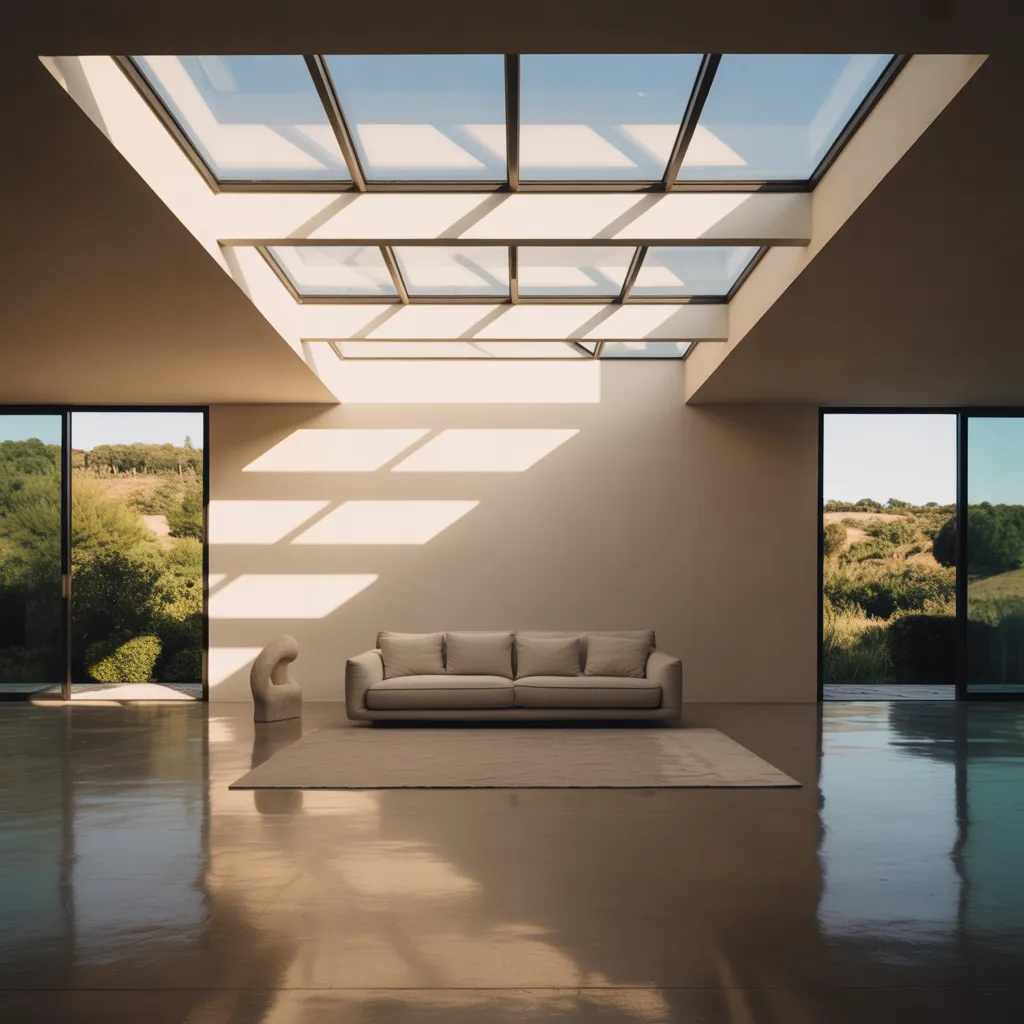
The Importance of Natural Light in Architecture
Natural light profoundly impacts architectural design, as it goes beyond illuminating spaces to influence the mood and functionality of interiors. It establishes a bond between the indoor environment and the natural world, supporting the health and comfort of inhabitants. Design professionals utilize natural light to craft ever-changing environments that shift as the day progresses, reshaping the mood and enriching the visual experience.
Furthermore, the utilization of natural light can minimize dependence on artificial lighting, resulting in lower energy consumption and costs. In residential spaces, it can make rooms feel more open and welcoming, while in commercial environments, it can increase productivity and creativity. The deliberate arrangement of windows and openings increases daylight penetration, optimizing the benefits of sunlight. Moreover, natural light can highlight the true hues and surfaces of materials, elevating the overall aesthetic appeal of a structure. Overall, the inclusion of natural light in architecture is crucial for eco-friendly and wellness-oriented design.
Traditional Skylights: Classic Elegance Meets Functionality
Conventional skylights provide a blend of timeless design and practical functionality, improving both the visual appeal and energy performance of any area. Their adaptability enables seamless incorporation into diverse architectural designs, establishing them as a preferred selection for residents and architects alike. By maximizing natural light, these elements promote a greener and more welcoming atmosphere.
Aesthetic Appeal And Design Flexibility
Skylights effortlessly combine classic elegance with functional design, delivering a classic aesthetic that elevates any architectural style. Their adaptability enables incorporation into both classic and modern structures, making them a desirable selection for numerous applications. Available in various shapes, sizes, and materials, skylights can support any design objective while increasing natural light flow. They can be tailored with selections such as tinted or frosted glass, helping homeowners accomplish their ideal privacy and ambiance. Moreover, traditional skylights can act as focal points, drawing the eye upward and creating a sense of spaciousness. The seamless integration of form and function makes skylights a timeless choice, transforming interiors while offering the elegance of natural illumination.
Energy Conservation Benefits
Installing skylights enhances both aesthetic appeal and energy efficiency significantly. Conventional skylights enable natural light to fill indoor areas, reducing the reliance on artificial lighting during the day. This decrease in energy usage can result in considerable savings on electricity costs. Furthermore, today's skylights are commonly constructed with thermally efficient glazing that limits heat loss in colder months and heat gain in warmer months, supporting a more balanced indoor atmosphere. By making use of natural light, these rooflights can lessen the demand on heating and cooling systems, consequently reducing overall energy expenditure. As a result, traditional skylights not only elevate the ambiance of a space but also play an essential role in promoting sustainable living through enhanced energy efficiency.
Stylish Lanterns: Elegant Options for Natural Lighting
Today's lanterns deliver a blend of visual appeal and versatile design, rendering them an ideal selection for enhancing daylight access in diverse spaces. Their elegant profiles and flexible configurations enable seamless incorporation into diverse architectural styles while contributing to energy efficiency. Consequently, these options not only brighten interiors but also promote sustainable living practices.
Design Versatility and Aesthetics
Architectural elegance in building design often relies on the flawless incorporation of natural light, and lanterns serve as refined choices for maximizing natural illumination. Such adaptable installations can be customized to complement diverse design sensibilities, from contemporary simplicity to traditional elegance. Their sleek profiles and diverse shapes allow for creative expression, while concurrently addressing practical requirements. Lanterns can be carefully situated to frame views, enrich spatial perception, or serve as centerpieces in a room. Furthermore, the use of high-quality materials, such as durable glass and structural metal, guarantees durability and visual appeal. By blending style and practicality, contemporary lantern designs not only flood rooms with light but also elevate the overall aesthetic, creating atmospheres that are simultaneously warm and motivating.
Energy Efficiency Benefits
While maximizing natural light in architectural spaces, energy efficiency presents itself as a notable advantage of utilizing lanterns. These modern structures enhance daylight access, minimizing the need for artificial lighting during daylight hours. Through the utilization of natural light, lanterns contribute to lower energy consumption, leading to decreased utility bills and a reduced carbon footprint. The design typically integrates energy-efficient glazing that limits heat loss, further optimizing indoor temperatures. Furthermore, the thoughtful positioning of lanterns can enhance ventilation, promoting a healthier indoor environment. Consequently, contemporary lanterns not only enhance visual appeal but equally function as an eco-friendly solution, effortlessly combining energy efficiency with elegance and practicality, rendering them a growing preference in modern architecture.
Revolutionary Tubular Rooflights: Space-Saving Daylight Options
Innovative tubular rooflights present a functional approach for enhancing daylight in rooms with minimal roof availability. Built as sleek, cylindrical units, these rooflights seamlessly guide natural light from the rooftop into interior areas that may otherwise lack sufficient illumination. Their minimalist construction permits hassle-free fitting in a wide range of environments, including domestic and commercial properties.
The mirrored inner walls of tubular rooflights improve light distribution, guaranteeing uniform illumination across the entire area. This characteristic not only brightens rooms but also contributes to a more inviting atmosphere. Additionally, tubular rooflights are often energy-efficient, decreasing the need for artificial light sources during daytime hours.
Available in multiple sizes and styles, they can be adapted to fulfill particular aesthetic and functional needs. By incorporating cutting-edge tubular rooflights, property owners can take advantage of natural daylight without compromising on space, making them an excellent option for urban environments and smaller buildings.
What to Consider When Choosing the Right Rooflight for Your Space
Picking the right rooflight for a space necessitates close attention of several factors to guarantee perfect daylighting and efficiency. First, the positioning of the building plays a significant role, as southward-facing rooflights can increase sunlight, while north-facing options provide consistent, diffused light. Furthermore, the dimensions and form of the rooflight should complement the space's proportions and style, ensuring a harmonious integration.
The type of glazing is also important; selections such as self-cleaning or low-emissivity glass can boost energy efficiency and reduce maintenance demands. In addition, the intended use of the space influences the selection; rooms that demand natural ventilation may find opening rooflights particularly beneficial. Lastly, local planning requirements and environmental factors should be evaluated to verify compliance and structural resilience. By evaluating these factors, one can choose a rooflight that effectively enhances natural light and complements the space's overall design.
What to Know Before Installing Rooflights
Before fitting rooflights, several crucial aspects need to get details be addressed to ensure successful installation within the building. Initially, an assessment of the roof's structural integrity is required, verifying that it is capable of supporting the increased load and changes. Adhering to local building regulations and planning permissions is also essential; familiarising yourself with these requirements can help circumvent future problems.
Next, the alignment of the rooflight impacts natural light intake, so precise placement is crucial for perfect illumination. Additionally, the selection of glazing is important for insulation and durability; opting for materials that reduce heat loss and enhance light intake is key.
Finally, possible water penetration should be addressed through suitable waterproofing and drainage methods. All of these considerations plays a role in the effectiveness and longevity of rooflights, making careful planning essential for all installation work.
Maximising Energy Efficiency With Rooflights
Although many homeowners pursue aesthetic improvements with rooflights, their potential to boost energy efficiency is equally significant. Rooflights enable natural light to pour into interior spaces, decreasing the dependence on artificial lighting throughout the day. This deliberate utilisation of natural light can contribute to reduced electricity costs and a lower carbon footprint.
Additionally, contemporary rooflights frequently feature thermally efficient glazing, which assists in regulating internal temperatures by reducing heat loss during winter and eliminating overheating throughout summer. This thermal performance promotes a greater level of comfort indoors, decreasing the dependency on climate control systems.
Furthermore, the incorporation of rooflights with intelligent systems can optimize energy management. Advanced automation can adjust shading in response to sunlight intensity, ensuring peak efficiency. By leveraging the benefits of natural light, homeowners can develop a environmentally conscious living space that not only enhances aesthetics but also fosters energy conservation and eco-conscious living.

Frequently Asked Questions
How Do Rooflights Affect Indoor Temperature Control?
Roof lights considerably affect indoor temperature regulation by allowing natural light to enter, decreasing dependence on man-made lighting and heating systems. They assist in maintaining a stable thermal climate, improving comfort levels and energy efficiency throughout the interior.
Do Rooflights Work Well on Flat Roofs?
Rooflights are indeed suitable for flat roofs, providing natural light and enhancing the aesthetic appeal. They demand careful installation and upkeep to ensure proper drainage and avoid leaks, rendering them a favoured option for modern architecture.
What Care and Maintenance Do Rooflights Demand?
Rooflights require consistent care, such as cleaning the glazing to prevent dirt buildup, inspecting seals for leaks, assessing for any structural damage, and making sure drainage is functioning correctly. This upkeep helps maintain performance and prolongs the lifespan of the installation.
Can Rooflights Be Added to Already Existing Structures?
Indeed, rooflights may be installed in existing buildings. A thorough structural assessment and careful planning are necessary to ensure safety and compatibility. Seeking professional installation is advisable to address possible complications and maximize the value of natural light.
What Are the Most Widely Used Materials for Rooflights?
Typical materials employed for rooflights consist of polycarbonate, acrylic, and glass. Each material offers distinct advantages, like insulation properties, durability, and transparency, making them well-suited to diverse architectural applications and visual requirements.
Comments on “Roof Lights: Efficient Roof Window Systems for Residential Homes”